COPD
Chronic obstructive pulmonary disease (COPD) is a chronic inflammatory lung disease that causes obstructed airflow from the lungs. Symptoms include breathing difficulty, cough, mucus (sputum) production and wheezing. It's typically caused by long-term exposure to irritating gases or particulate matter, most often from cigarette smoke. People with COPD are at increased risk of developing heart disease, lung cancer and a variety of other conditions.
Emphysema and chronic bronchitis are the two most common conditions that contribute to COPD. These two conditions usually occur together in COPD.
Chronic bronchitis is inflammation of the lining of the bronchial tubes, which carry air to and from the air sacs (alveoli) of the lungs. It's characterized by a daily cough and mucus (sputum) production. Emphysema is a condition in which the alveoli at the end of the smallest air passages (bronchioles) of the lungs are destroyed as a result of damaging exposure to cigarette smoke and other irritating gases and particulate matter.
Although COPD is a progressive disease — one that gets worse over time — it's treatable. With proper management, most people with COPD can achieve good symptom control and quality of life, as well as reduced risk of other associated conditions.
Symptoms
COPD symptoms often don't appear until significant lung damage has occurred, and they usually worsen over time, particularly if smoking exposure continues. For chronic bronchitis, the main symptom is a daily cough and mucus production at least three months a year for two years.
Other symptoms of COPD include:
- Shortness of breath, especially during physical activities
- Wheezing
- Chest tightness
- Having to clear your throat first thing in the morning, due to excess mucus in your lungs
- A chronic cough that may produce mucus (sputum) that may be clear, white, yellow or greenish
- Blueness of the lips or fingernail beds (cyanosis)
- Frequent respiratory infections
- Lack of energy
- Unintended weight loss (in later stages)
- Swelling in ankles, feet or legs
People with COPD are also likely to experience episodes called exacerbations, during which their symptoms become worse than the usual day-to-day variation and persist for at least several days.
When to see a Doctor
Talk to your doctor if your symptoms are not improving or are getting worse, or if you notice signs of infection, such as fever or a change in the color of your sputum.
Seek emergency care if you can't catch your breath, if you notice marked blueness of your lips or fingernail beds (cyanosis), if you feel mentally foggy or confused, or if your heart is racing.
Causes
In most cases of COPD in developed countries the cause is smoking. In the developing world it's often from cooking and heating in poorly ventilated homes. Only about 20 to 30 percent of chronic smokers may develop clinically apparent COPD, although many smokers with long smoking histories may develop reduced lung function. Some smokers develop less common lung conditions. They may be misdiagnosed as having COPD until a more thorough evaluation is performed.
How your lungs are affected?
Air travels down your windpipe (trachea) and into your lungs through two large tubes (bronchi). Inside your lungs, these tubes divide many times — like the branches of a tree — into many smaller tubes (bronchioles) that end in clusters of tiny air sacs (alveoli).
The air sacs have very thin walls full of tiny blood vessels (capillaries). The oxygen in the air you inhale passes into these blood vessels and enters your bloodstream. At the same time, carbon dioxide — a gas that is a waste product of metabolism — is exhaled.
Your lungs rely on the natural elasticity of the bronchial tubes and air sacs to force air out of your body. COPD causes them to lose their elasticity and over-expand, which leaves some air trapped in your lungs when you exhale.
Causes of airway obstruction
- Emphysema. This lung disease causes destruction of the fragile walls and elastic fibers of the alveoli. Small airways collapse when you exhale, impairing airflow out of your lungs.
- Chronic bronchitis. In this condition, your bronchial tubes become inflamed and narrowed and your lungs produce more mucus, which can further block the narrowed tubes. You develop a chronic cough trying to clear your airways.
In the vast majority of people with COPD, the lung damage that leads to COPD is caused by long-term cigarette smoking. But there are likely other factors at play in the development of COPD, such as a genetic susceptibility to the disease, since only about 20 to 30 percent of smokers develop COPD.
Other irritants can cause COPD, including cigar smoke, secondhand smoke, pipe smoke, air pollution and workplace exposure to dust, smoke or fumes.
Alpha-1-antitrypsin deficiency
About 1 percent of people with COPD have a genetic disorder that reduces their levels of a protein called alpha-1-antitrypsin (AaT). AaT is made in the liver and secreted into the bloodstream to help protect the lungs. Alpha-1-antitrypsin deficiency can affect the liver as well as the lungs. Damage to the lungs can occur in nonsmokers, but nonsmokers with AaT deficiency who also smoke are at much greater risk of COPD. For adults with COPD related to AaT deficiency, treatment options include replacement of the missing AaT protein, which may slow the progression of lung disease.
Risk Factors
Factors that can put you at risk of COPD:
- Exposure to tobacco smoke. The most significant risk factor for COPD is long-term cigarette smoking. The more years you smoke and the more packs you smoke, the greater your risk. Pipe smokers, cigar smokers and marijuana smokers also may be at risk, as well as people exposed to large amounts of secondhand smoke.
- People with asthma. People who have asthma, a chronic inflammatory airway disease, may develop COPD. The combination of asthma and smoking increases the risk of COPD even more.
- Occupational exposure to dusts and chemicals. Long-term exposure to chemical vapors, irritants and dusts in the workplace can irritate and inflame your lungs.
- Exposure to fumes from burning fuel. In developing countries, people exposed to fumes from burning fuel for cooking and heating in poorly ventilated homes are at higher risk of developing COPD.
- Genetics. The uncommon genetic disorder alpha-1-antitrypsin deficiency is a known cause of COPD. Other genetic factors likely make certain smokers more susceptible to the disease.
Complications
COPD can cause many complications, including:
- Respiratory infections. People with COPD are more likely to catch colds, the flu and pneumonia. Any respiratory infection can make it much more difficult to breathe and could cause further damage to lung tissue.
- Heart problems. For reasons that aren't fully understood, COPD can increase your risk of heart disease, including heart attack. Quitting smoking may reduce this risk.
- Lung cancer. People with COPD have a higher risk of developing lung cancer. Quitting smoking may reduce this risk.
- High blood pressure in lung arteries. COPD may cause high blood pressure in the arteries that bring blood to the lungs (pulmonary hypertension).
- Depression. Difficulty breathing can keep you from doing activities that you enjoy. And dealing with serious illness can contribute to development of depression. Talk to your doctor if you feel sad or helpless or think that you may be experiencing depression.
Prevention
Unlike asthma, COPD is not fully reversible, and most cases are due to cigarette smoking. By far the most important aspect of management is to stop smoking, as this is the main way to prevent COPD and slow its progress. Other preventive measures include:
- Minimizing exposure to smoke (tobacco, biomass or otherwise), dust, chemical fumes, and other respiratory irritants
- People with a family history of alpha-1-antitrypsin deficiency may wish to be tested
Diagnosis
Tests to diagnose COPD may include:
- Lung (pulmonary) function tests. These tests measure the amount of air you can inhale and exhale, and whether your lungs deliver enough oxygen to your blood. During the most common test, spirometry, you blow into a large tube connected to a small machine to measure how much air your lungs can hold and how fast you can blow the air out of your lungs. Other tests include measurement of lung volumes and diffusing capacity, a six-minute walk test, and pulse oximetry.
- Chest X-ray. A chest X-ray can show emphysema, one of the main causes of COPD. An X-ray can also rule out other lung problems or heart failure.
- CT scan. A CT scan of your lungs can help detect emphysema and help determine if you might benefit from surgery for COPD. CT scans can also be used to screen for lung cancer.
- Arterial blood gas analysis. This blood test measures how well your lungs are bringing oxygen into your blood and removing carbon dioxide.
- Laboratory tests. Lab tests aren't used to diagnose COPD, but they may be used to determine the cause of your symptoms or rule out other conditions — for example, to determine if you have the genetic disorder alpha-1-antitrypsin (A1AT) deficiency.
Treatment
Managing people with COPD has to be tailored to the individual. The GOLD guidelines are the most commonly used and accepted guidelines for the management of COPD patients. Below are the most common approaches to management, including both non-pharmacological interventions and medications.
Smoking cessation
Smoking cessation is the most important aspect of COPD management. Though it may not greatly improve already existing lung damage, it will significantly slow the progress of COPD and significantly reduce mortality. Reducing cigarette smoking, however, does not have the same benefit as quitting altogether. Long-acting bronchodilators work synergistically with nicotine replacement therapy.
Medications
A number of medications are used to treat COPD. Many are inhaled and include:
- Short-acting bronchodilators (e.g., salbutamol)
- Long-acting beta2-agonists (LABAs) including salmeterol, formoterol and indacaterol
- Long-acting muscarinic antagonists (LAMAs) such as tiotropium, glycopyrronium
- Combination of LABA and LAMA
- Inhaled corticosteroids (ICS)
- Combination of ICS and LABA
Bronchodilators
Bronchodilators are medicines that usually come in inhalers — they relax the muscles around your airways and can help relieve coughing and shortness of breath and make breathing easier. Depending on the severity of your disease, you may need a short-acting bronchodilator before activities, a long-acting bronchodilator that you use every day, or both.
- Short-acting bronchodilators include albuterol (ProAir HFA, Ventolin HFA), levalbuterol (Xopenex HFA), and ipratropium (Atrovent HFA)
- Long-acting bronchodilators include salmeterol (Serevent), formoterol (Foradil, Perforomist), tiotropium (Spiriva), aclidinium (Tudorza Pressair), glycopyrronium (Seebri Neohaler) and umeclidinium (Incruse Ellipta)
Inhaled steroids
Inhaled corticosteroid medications can reduce airway inflammation and help prevent exacerbations. Side effects may include bruising, oral infections and hoarseness. These medications are useful for people with frequent exacerbations of COPD.
Combination inhalers
Some medicines are sold in combination inhalers. These include:
- Fluticasone and salmeterol (Advair)
- Budesonide and formoterol (Symbicort)
- Mometasone and formoterol (Dulera)
Some medicines are sold in combination inhalers that contain an anticholinergic and a beta-agonist. These include:
- Ipratropium and albuterol (Combivent Respimat, DuoNeb)
- Tiotropium and olodaterol (Stiolto Respimat)
- Umeclidinium and vilanterol (Anoro Ellipta)
- Aclidinium and formoterol (Duaklir Genuair)
Some medicines are sold as a combination inhaled corticosteroid and bronchodilator. These include:
- Fluticasone, umeclidinium and vilanterol (Trelegy Ellipta)
- Beclomethasone, formoterol and glycopyrronium (Trimbow)
Oral steroids
For people who have moderate or severe acute exacerbations, short-course (5 days or so) oral corticosteroids prevent disease progression, result in improved lung function and blood oxygenation, and reduce recovery time. Long-term use, however, has significant side effects.
Phosphodiesterase-4 inhibitors
A newer type of medication approved for people with severe COPD is roflumilast (Daliresp), a phosphodiesterase-4 inhibitor. This drug decreases airway inflammation and relaxes the airways. Common side effects include diarrhea and weight loss.
Theophylline
This less expensive medication may help improve breathing and prevent exacerbations in some people with COPD. It may cause side effects and is generally not recommended as first-line therapy because more effective treatments are available, but it still has a role in severe COPD management.
Antibiotics
Respiratory infections, such as acute bronchitis, pneumonia and influenza, can aggravate COPD symptoms. Antibiotics help treat acute exacerbations but aren't generally recommended for prevention. Some studies indicate that azithromycin prevents exacerbations, but whether this is due to its antibiotic or anti-inflammatory properties isn't clear.
Lung therapies
In addition to drug treatments, doctors often use these therapies for people with moderate or severe COPD:
- Oxygen therapy. If there isn't enough oxygen in your blood, you may need supplemental oxygen. There are several devices to deliver oxygen to your lungs, including lightweight, portable units that you can take with you to run errands and get around town. Some people with COPD use oxygen only during activities or while sleeping. Other people use it all the time. Oxygen therapy can improve quality of life and is the only COPD therapy proven to extend life. Talk to your doctor about your needs and options.
- Pulmonary rehabilitation program. These programs generally combine education, exercise training, nutrition advice and counseling. You'll work with a variety of specialists who can tailor your rehabilitation program to meet your needs. Pulmonary rehabilitation after a hospitalization for an acute exacerbation can reduce the risk of future hospitalizations and improve your ability to participate in everyday activities and quality of life.
- Managing exacerbations. Even with ongoing treatment, you may experience times when symptoms become suddenly worse for days or weeks. This is called an acute exacerbation, and it may lead to lung failure if you don't receive prompt treatment. Exacerbations may be caused by a respiratory infection, air pollution or other triggers of inflammation. It's important to seek prompt medical help if you notice a sustained increase in coughing, a change in your mucus or if you're having more trouble breathing. When acute exacerbations occur, you may need additional medications (antibiotics, steroids or both), supplemental oxygen or treatment in the hospital.
Surgery
Surgery is an option for some people with some forms of severe COPD. Surgical options include:
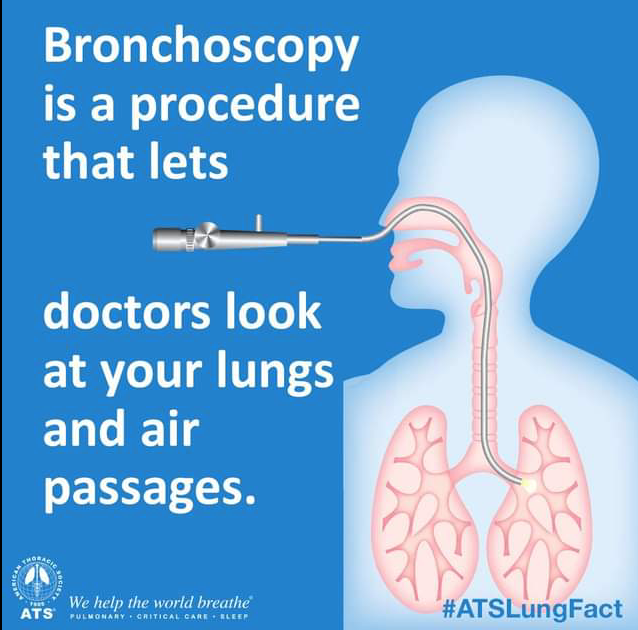
- Lung volume reduction surgery. In this surgery, your surgeon removes small wedges of damaged lung tissue from the upper lungs. This creates extra space in your chest cavity so that the remaining lung tissue and the diaphragm can work more efficiently. In some people, this surgery can improve quality of life and help people live longer. A bronchoscopic procedure may be used to achieve similar results.
- Bullectomy. When the air sacs in the lungs are destroyed, large air spaces called bullae form in the lungs. These bullae can become so large that they interfere with breathing. In a bullectomy, doctors remove one or more very large bullae from the lungs.
- Lung transplant. Lung transplantation can improve your ability to breathe and to be active. However, it's a major operation that has many risks, including rejection of the transplanted lung.